People use cannabis by smoking, eating or inhaling a vaporized form of the drug. Cannabis often precedes or is used along with other substances, such as alcohol or illegal drugs, and is often the first drug tried. The risk of addiction and how fast you become addicted varies by drug. Some drugs, such as opioid painkillers, have a higher risk and cause addiction more quickly than others. Recovery from AUD is marked by stages of abstinence, withdrawal, repair, and growth.
Treatment Options:
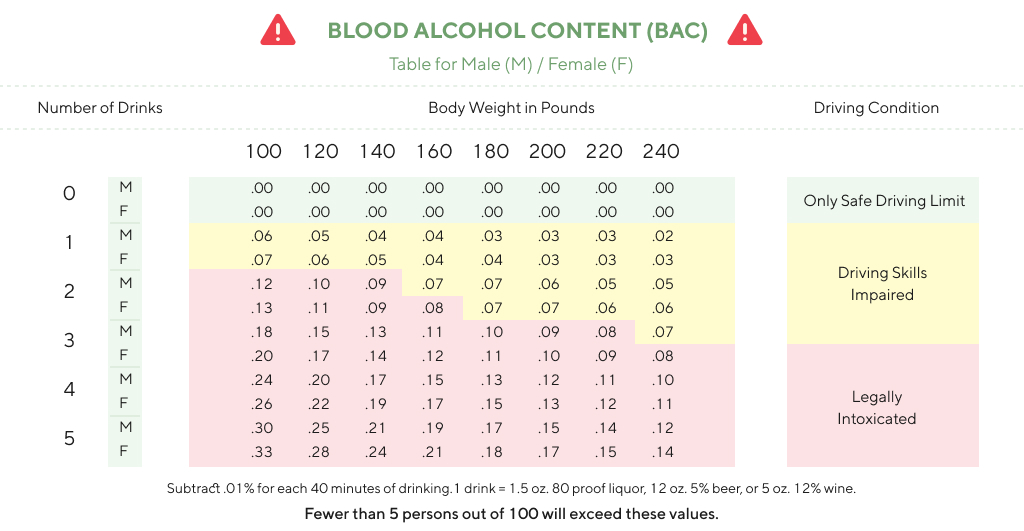
It’s defined as five or more drinks in one drinking session for men and four or more etoh meaning for women. According to the CDC, 90% of those who drink alcohol also excessively binge drink. The CDC also found that those who binge drink consume eight or more drinks at a time. Misusing alcohol over a long period can have significant repercussions for your health. Cirrhosis of the liver is probably the most well-known effect, but pancreatitis, digestive issues, increased risk of cancer, and neurological problems are also common. Treatment used to be limited to self-help groups such as Alcoholics Anonymous (established in 1935).
Up to 30% of people with alcohol use disorder do manage to abstain https://ecosoberhouse.com/ from alcohol or control their drinking without formal treatment. People with an alcohol use disorder can feel ashamed about their drinking and may get upset if confronted. If you are worried about someone else’s drinking it is important to choose the right moment to talk to them about it, and make sure you’re both in a calm mood.
Symptoms
Even drug addiction treatment though alcohol related disorders are very common, relatively few individuals recognize the problem and get help. Therefore, screening is very important, whether primary care physicians or friends and family do it. Keep reading to learn more about AUD, including who is at risk, common symptoms, treatment, and more.
- Alcohol can affect behaviors that increase the likelihood of acquiring or transmitting HIV to others.
- Do not wait for the person to have all the symptoms, and be aware that a person who has passed out can die.
- Alcohol Use Disorder (AUD) is a medical condition in which an individual struggles with controlling or ceasing alcohol use, despite the detrimental impacts it may have.
- Increased tolerance to alcohol is another sign of dependence, where individuals need more alcohol to achieve the same effect, leading to higher consumption levels that denote alcohol consumption.
How does alcohol affect mental health over time?

The goal is to ensure that you’re ready to go back into the world without depending on alcohol to get through the day. It may also include time spent at an inpatient facility where you will work in a group setting with other addicts. There, you will be monitored 24/7 while living where you’ll attend treatment.
Treatment Programs
Although it isn’t a term that is used anymore as part of medical care, some people who are recovering from alcohol dependence still use the term ‘alcoholic’ to describe themselves. Alcoholism is also known as alcohol addiction, alcohol misuse or alcohol dependence. Brooke Palladino is a board certified Psychiatric Mental Health Nurse Practitioner (PMHNP-BC). She is a graduate of Plymouth State University with her Bachelors of Science in Nursing and her Masters of Science in Nursing from Rivier University. She has over 9 years of experience with a background in critical care and providing safe individualized care to her patients and their families during difficult times. She has been trained to help treat individuals with mental health and substance use disorders.
Stimulants include amphetamines, meth (methamphetamine), cocaine, methylphenidate (Ritalin, Concerta, others) and amphetamine-dextroamphetamine (Adderall XR, Mydayis). They’re often used and misused in search of a “high,” or to boost energy, to improve performance at work or school, or to lose weight or control appetite. Signs and symptoms of drug use or intoxication may vary, depending on the type of drug. While the recovery period may be challenging, it’s also filled with milestones that can transform your life into one that’s better than you could have previously imagined. The challenge of this stage is to essentially develop and maintain healthy life skills that will serve you for a lifetime.
The central nervous system depressant effects of ethanol can contribute to cardiovascular disease, neurological disorders and increased risk of certain cancers. Mental health issues, depression, anxiety and other mental disorders are often linked to alcohol misuse, as excessive drinking can trigger and worsen these conditions. In medical settings, EtOH is used to describe anything related to ethanol or alcohol. Healthcare professionals use the term EtOH to indicate a patient’s alcohol use or blood alcohol level. EtOH affects nearly every system in the body, and its impact can range from acute intoxication to chronic health conditions, including liver disease, cardiovascular disease, and neurological disorders. Recognizing the signs of EtOH abuse, such as withdrawal symptoms and excessive drinking, is essential for providing appropriate care and support.
What are the symptoms of AUD?
Individuals may use the term moonshine to refer to 90 percent (or more) pure alcohol. Babies who are born to mothers who are heavy drinkers are more at risk for being born with significant medical, developmental, behavioral, and emotional problems, including fetal alcohol syndrome (FAS). However, many babies whose mothers consumed even minimal amounts of alcohol during pregnancy have been born with such problems. Therefore, there is no amount of alcohol intake that has been proven to be safe during pregnancy. While some people with alcohol use disorder can cut back or stop drinking without help, most are only able to do so temporarily unless they get treatment.
Recognizing these dangers is crucial for individuals struggling with EtOH abuse, as well as for their loved ones. Seeking professional help and support can be a critical step toward recovery and a healthier, alcohol-free life. It can have long-lasting consequences for your physical and mental health. ETOH is a shorthand abbreviation for ethyl alcohol, also known as ethanol. This is the active ingredient in alcoholic beverages that leads to intoxication.
- If you’re ready to make a positive change, here’s what you may want to know about the recovery process.
- For some people, these occasions may also include drinking—even binge or high-intensity drinking.
- Ethanol affects the central nervous system, liver and pancreas and can cause a range of health problems including fatty liver disease, pancreatitis and increased risk of some cancers.
- These treatments not only address the physical aspects of addiction but also offer psychological support to help individuals develop healthy coping mechanisms and prevent relapse.
- The withdrawal symptoms that occur when a person suddenly stops consuming alcohol can be severe and should only be addressed with professional medical help.
- Getting professional assistance and establishing a support network is crucial to aid in the healing process.
Clinical evidence suggests that the most common causes of relapse during this stage are neglecting self-care or not attending self-help groups. The abstinence stage typically begins right after you stop drinking. If you’re ready to make a positive change, here’s what you may want to know about the recovery process. I recently joined Ohio Community Health Recovery Centers as a Clinical Case Manager. I am originally from Wisconsin but settled in the Cincinnati area in my early 20s. My career started in the fashion industry but quickly changed as I searched to find my drive and passion through helping others who struggle with addiction.
You can also join other groups such as religious services and self-help programs. An occupational program can help lessen work-related stress and pressure to avoid excessive drinking. Here at Recovery Resource Center, we offer treatment for alcohol addiction to help you or your loved one get on the right path. It can be difficult to know if someone you love has a drinking problem. If someone is drinking more than 14 units of alcohol per week, you may not be aware of it, as you typically aren’t with other people 24 hours per day.